There’s a very specific kind of peace that comes with winding a mechanical film camera. Back when I was just a kid in the mid-to-late ’80s, my world of photography started with my mum’s Kodak VR35 K5. I must have driven her nuts constantly asking to borrow it, thumbing through those plastic little point-and-shoot frames, totally fascinated by how a tiny box could freeze a moment in time. (Confession: I’m still low-key hunting for a clean, mint-condition one just to have that piece of childhood back on the shelf.)
That tactile curiosity never really went away. It just graduated to something heavier, all brass and iron.
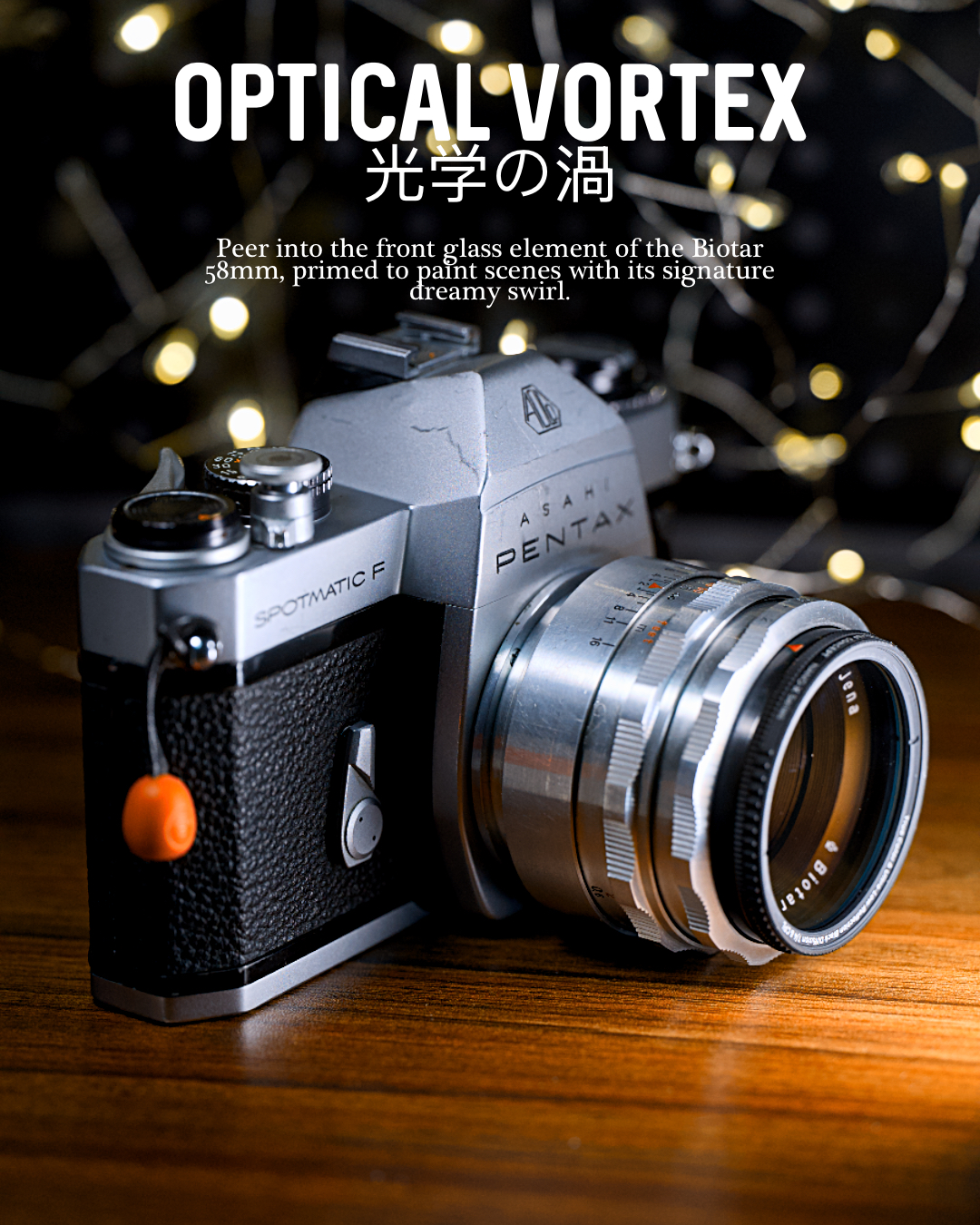
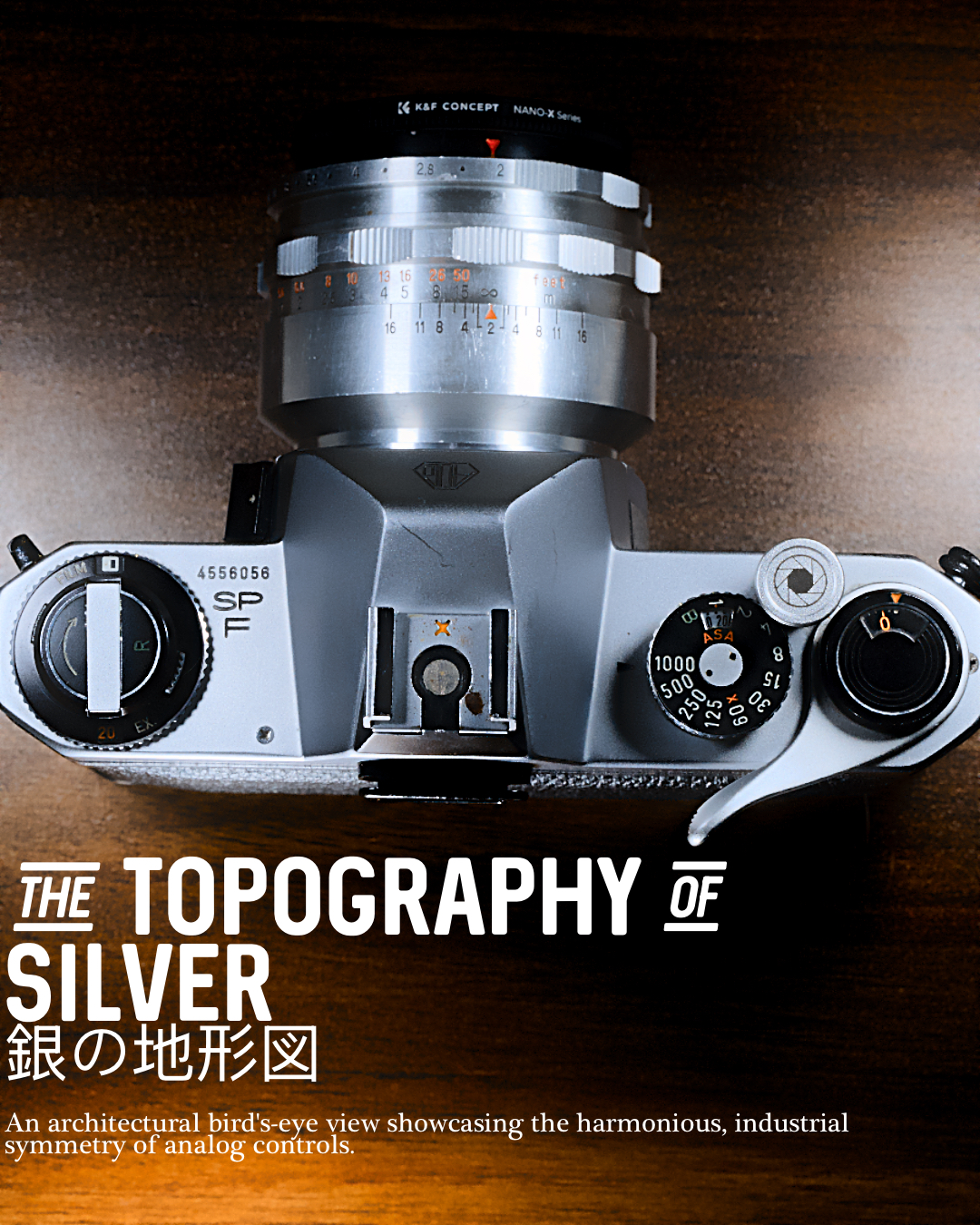
When digital screens get too exhausting and I want to slow right down, I reach for the Asahi Pentax Spotmatic F.
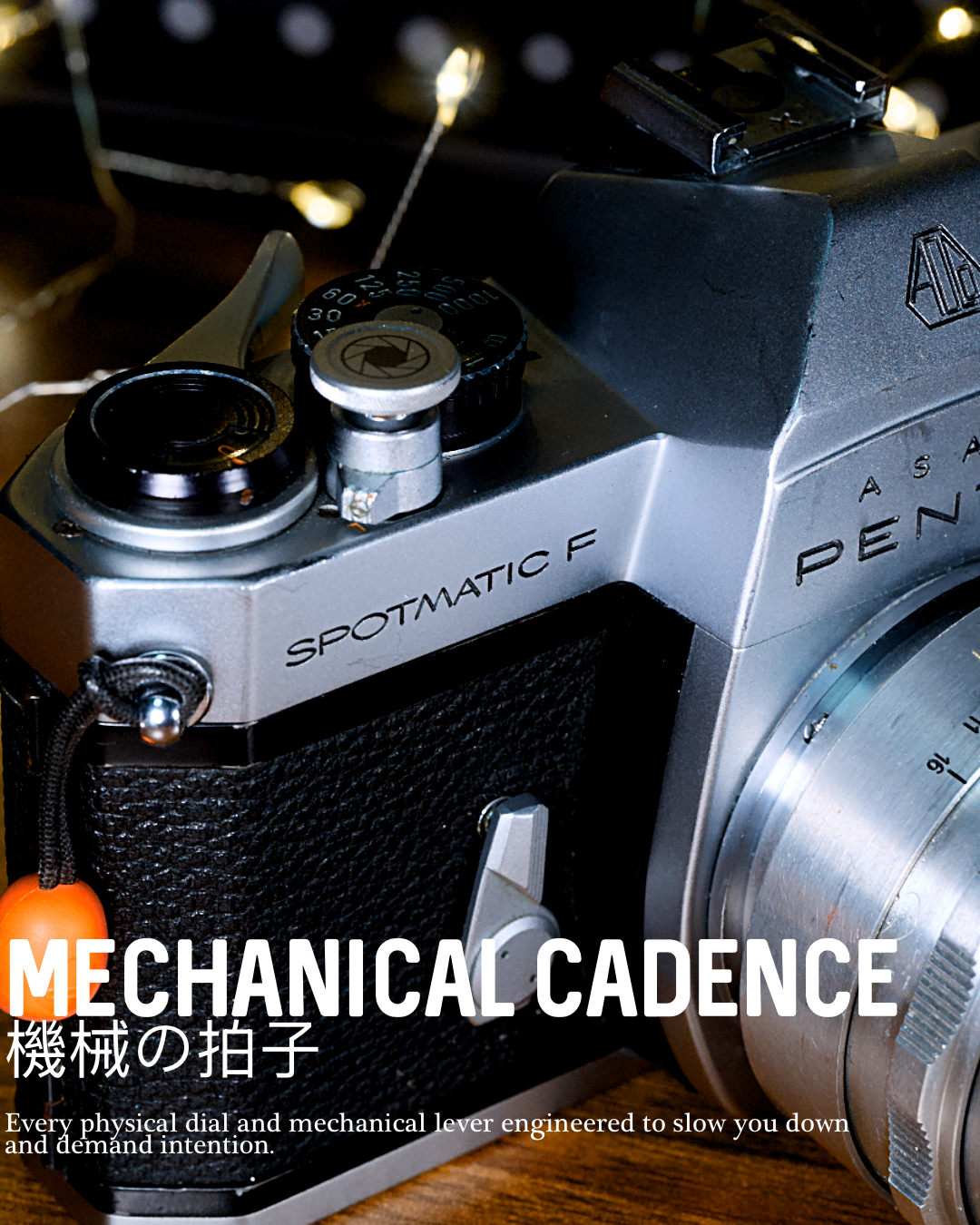
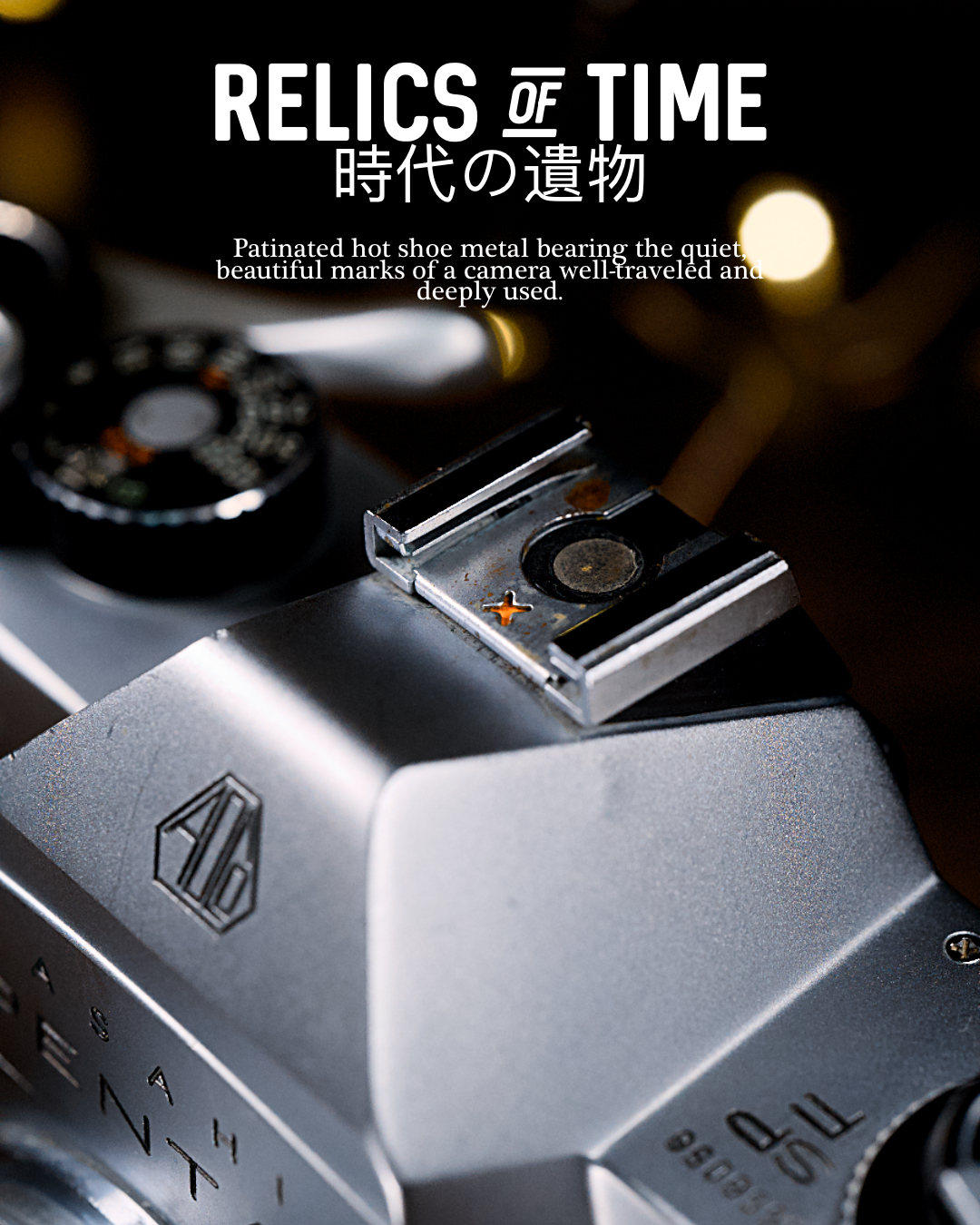
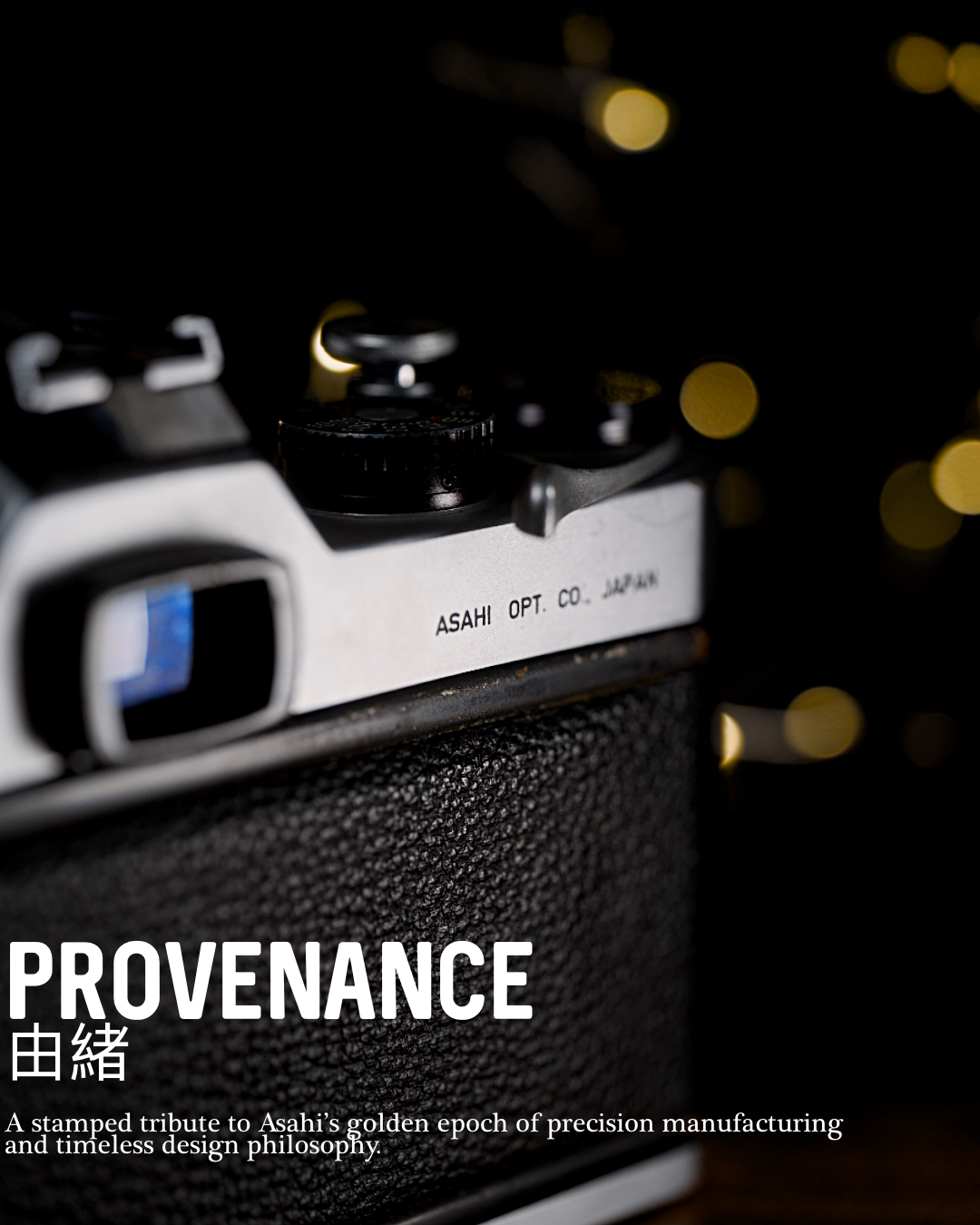
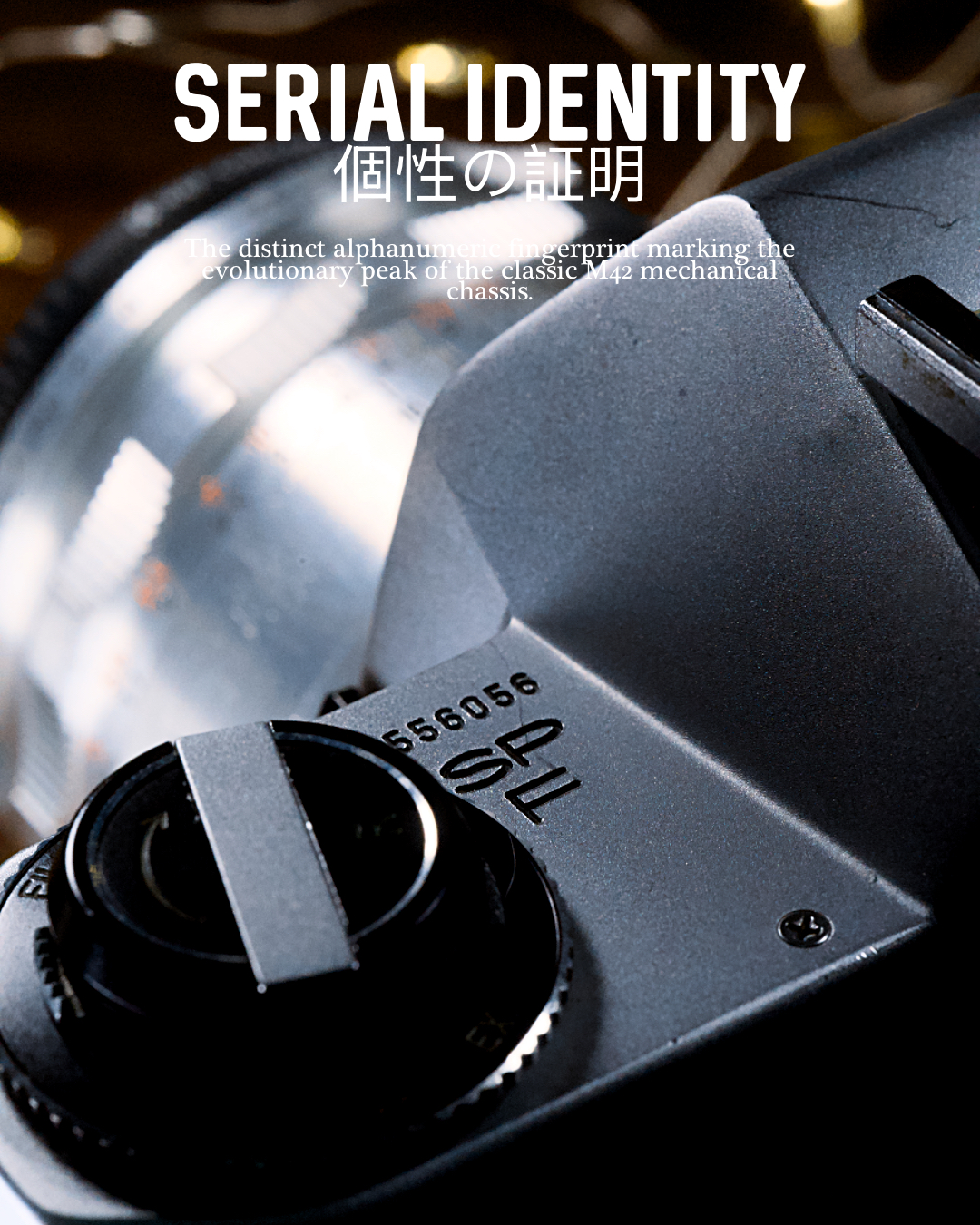
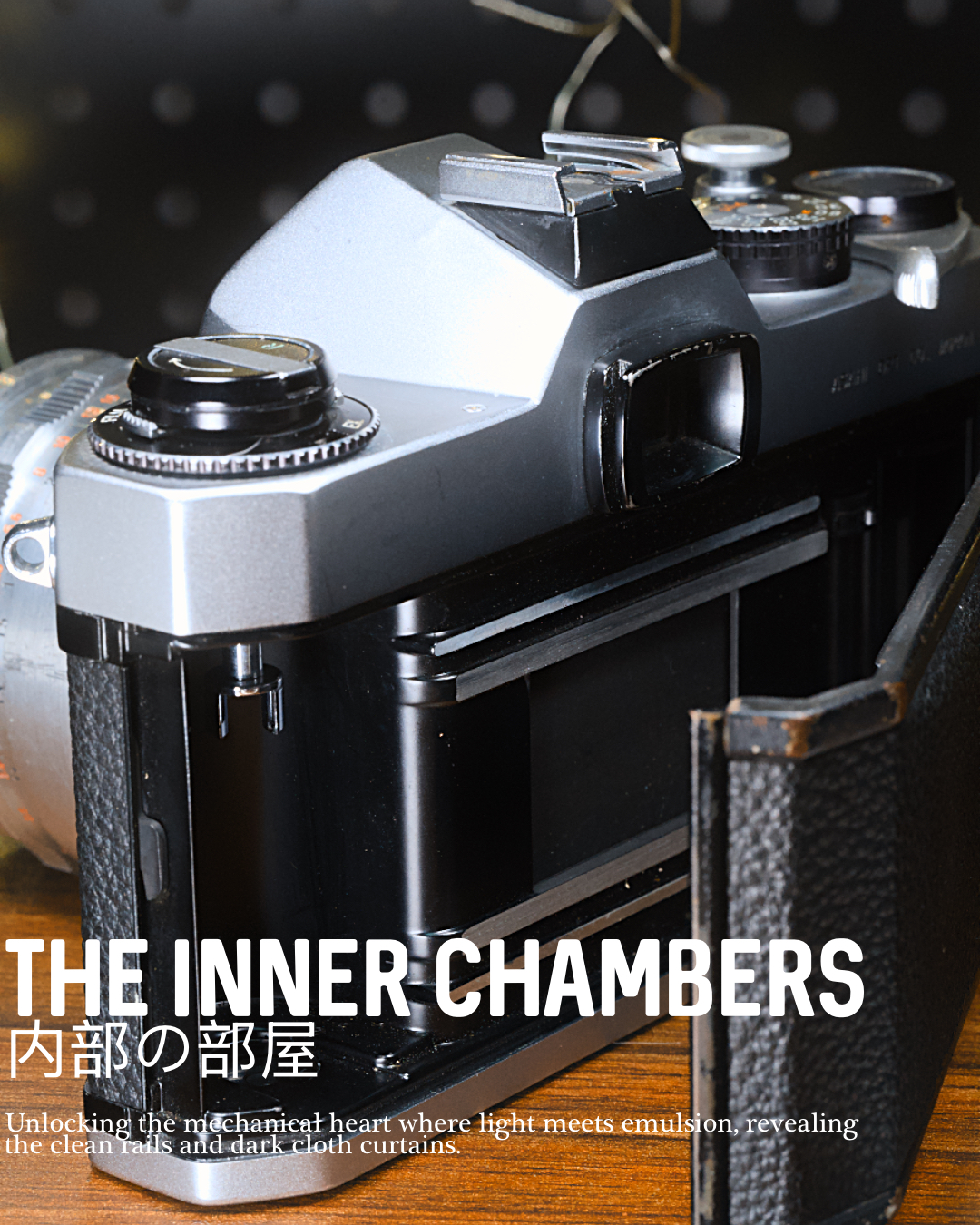
Holding it feels like handling a piece of industrial history. Released back in 1973, it was the absolute pinnacle of Pentax’s legendary M42 screw-mount mechanical bodies. Look right there on the top plate next to the winding lever, and you’ll see its unique alphanumeric serial identity stamped straight into the metal — a quiet fingerprint from an era when things were built to outlive us all. Pop open the back door, and there’s no plastic clutter, just clean metal rails and dark cloth shutter curtains that don’t need a single drop of battery juice to fire off a crisp mechanical cycle.
Speaking of which, that top shutter dial maxes out at a trusty $1/1000s$, giving you all the headroom you need to step out into harsh afternoon sun with a roll of classic ISO 100 or 400 film. And unlike the earlier Spotmatics where you had to manually stop down the lens just to meter a shot — effectively plunging your viewfinder into a cave of darkness — the “F” brought in open-aperture TTL metering. Paired with Super-Multi-Coated Takumar glass, you could compose and focus in bright light while the internal CdS photoresistors quietly did their job right off the screen.
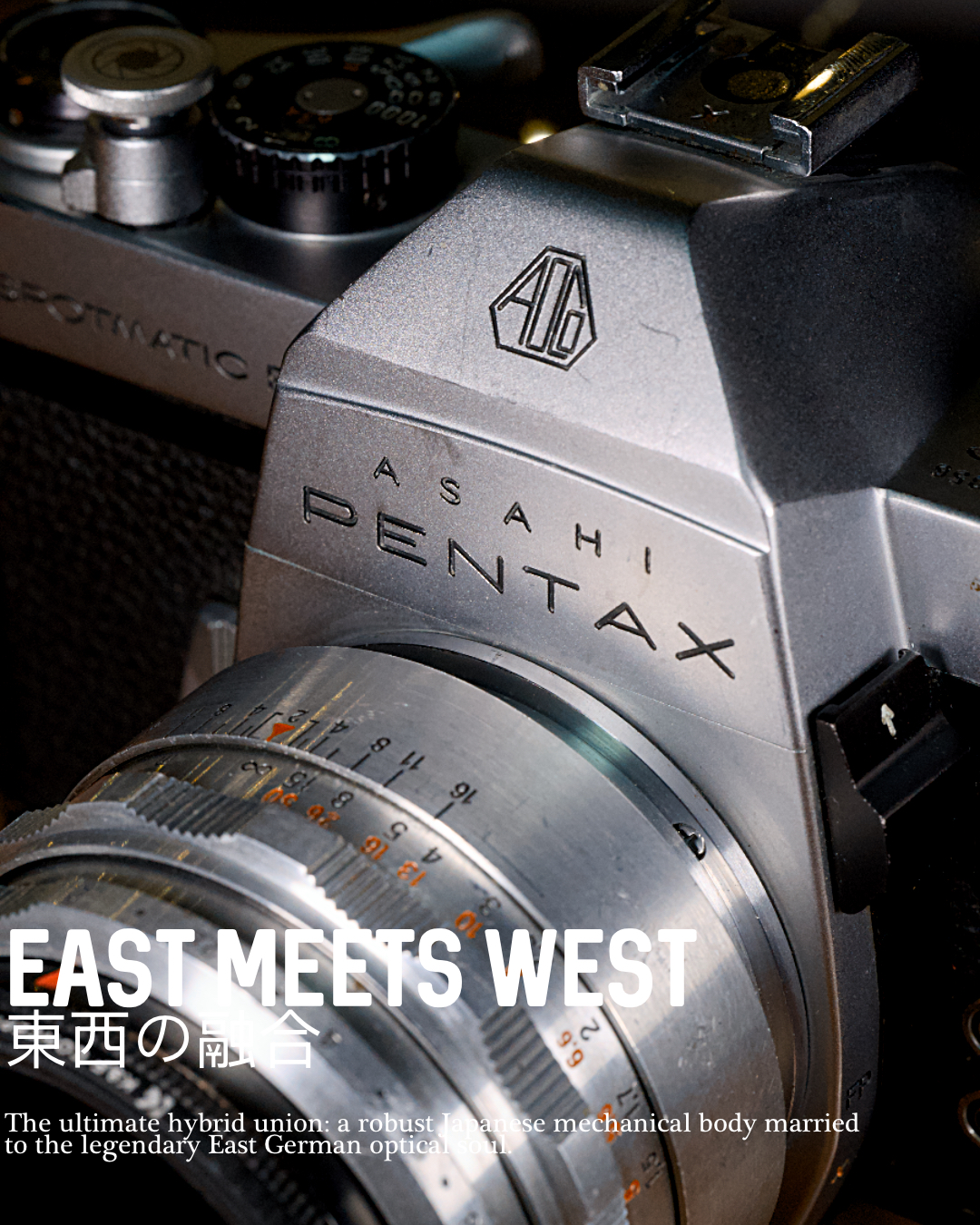
Of course, a camera body is only half the fun. Up front, I’ve mated this tank of a Japanese mechanical chassis with a legendary piece of East German optical heritage — the Carl Zeiss Jena Biotar 58mm. Look right into that front element, and you’re holding a lens famous for painting scenes with that wild, dreamy, signature optical swirl when you shoot it wide open.
At the end of the day, shooting with a rig like this isn’t about high-speed frames or instant gratification. It’s about the heavy mechanical click, the deliberate friction of manual focus, and remembering what it felt like when every single shot actually mattered.